The idea of turkey as the centerpiece of the Thanksgiving dinner is deeply-entrenched today, but it was an idea that was slow to develop, and one that may have been cemented only recently thanks to immense advertising efforts of the American poultry industry.

The very idea of turkey as symbolic of the Thanksgiving meal is as contrived as the notion that the holiday was initiated to celebrate the Pilgrims' good fortune after landing at Plymouth Rock. It is far from conclusive that turkey was even consumed at the 1621 feast, which, according to the only two, known, first-hand accounts of the feast, featured "many fowle and five deere." Turkey is never specifically mentioned in these accounts, and another such celebration feast would not be seen in the colonies for at least fifty years.

When a movement began to formalize the concept of a holiday centered around the giving of thanks, consensus was hard to come by. The first official, presidential announcement of a thanks-giving holiday came in 1789 from George Washington, who put aside a day on October 2 to celebrate the Constitution-- more than 150 years after the Pilgrim's fall feast. In 1798, President John Adams set aside May 9 as "a time for fervent thanksgiving."

Thomas Jefferson, on the other hand, opposed the idea of a thanks-giving day, because he considered proclaiming holidays "a monarchical practice." Subsequently, another national thanks-giving celebration in the U.S. was not seen for 60 years.

Thanks in large part to the efforts of Sara Josepha Hale, an editor of a popular women's magazine, the holiday was revived in 1863. Every fall, she published endless editorials and recipes (most featuring turkey) in her magazine and wrote hundreds of letters advocating the concept. In an 1861 plea to President Abraham Lincoln, she wrote of the importance of a day to "lay aside our enmities on this one day and join in a Thanksgiving Day of peace."

In 1863, after more than 30 years of lobbying, Sara Josepha Hale had her wish granted when Abraham Lincoln declared Thanksgiving a national holiday. According to University of Michigan anthropology professor Richard Ford, at that time, ". . . there were many different foods that could be served and it is from this time period that our typical dinner foods derive."

In 1896, the first edition of Fannie Farmer's Boston Cooking-School Cook Book recommended that the day be celebrated with foods that symbolically connoted "Pilgrim."

During this time period, which was prior to the invention of the icebox, it is thought that farmers usually killed their turkey flock in the fall, because cool weather better staved off the natural decomposition of the animal's flesh. Because the Christmas and Thanksgiving holidays coincided with this time of year, this may have facilitated the push for turkey consumption during Thanksgiving feasts.

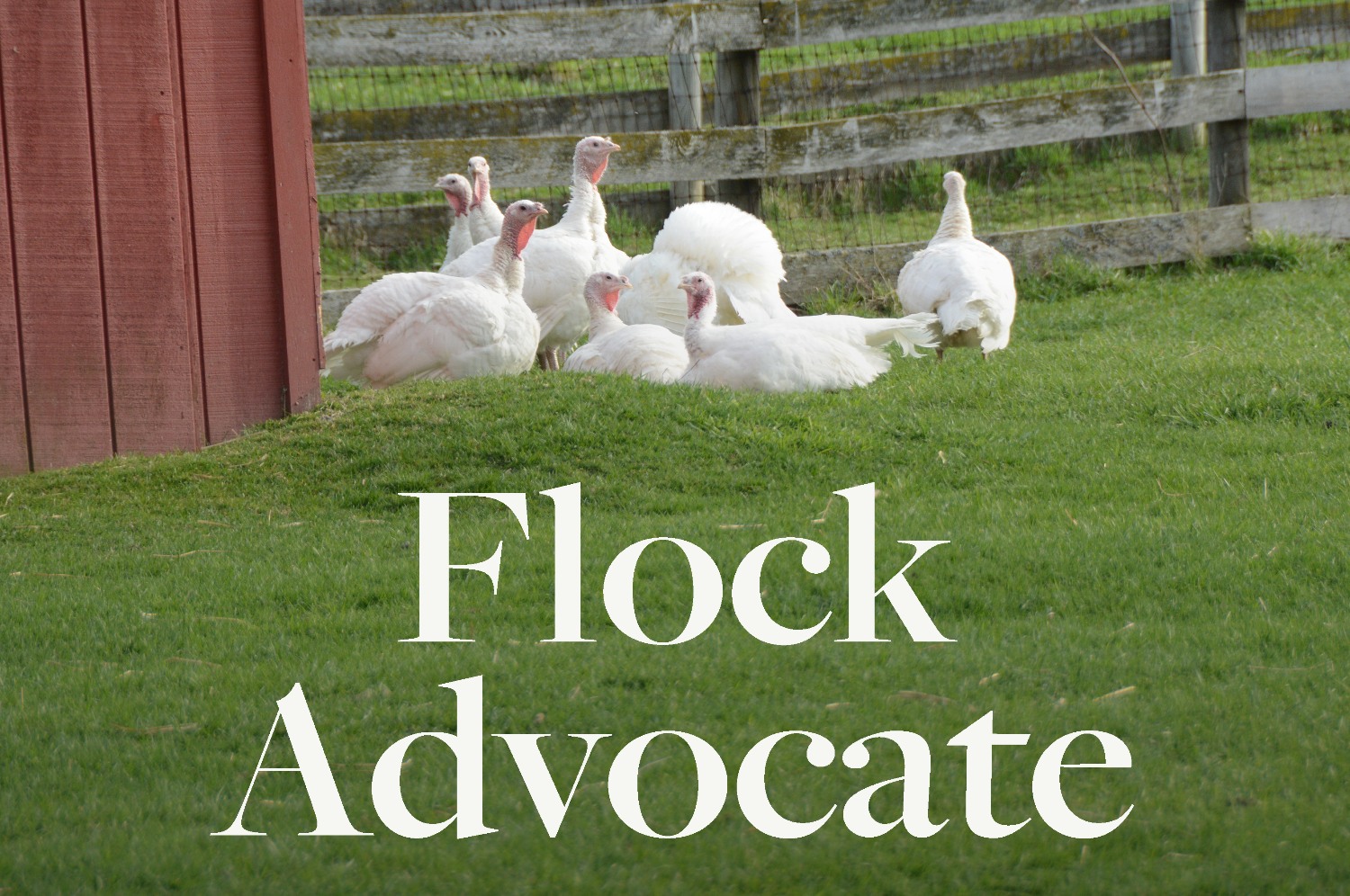
But still turkey was not widely-accepted as the quintessential Thanksgiving dish until the mid-20th century. Apparently, many housewives preparing a turkey struggled with "pinning" the bird-removing the tiny pin feathers from the dark-skinned carcass. Hence, to make the affair less arduous and more appealing to consumers, the Beltsville white was bred and perfected in 1947. The Beltsville white was the culmination of a breeding program, launched by the USDA at the behest of the National Turkey Federation, to produce a bird with a more aesthetically-pleasing carcass.

Also in 1947 began the National Turkey Federation's annual presentation of a turkey to the standing U.S. president. Coupled with the introduction of the new, light-skinned Beltsville white, turkey consumption in the U.S. took off from there. Between 1950 and 1960, turkey consumption at least doubled. And consumption has continued to rise every year after that, peaking in 1994 at around 18 lbs of turkey per person. This is a more than 600% rise over the per capita consumption of less than 3 pounds a year prior to 1940 , before the launch of the National Turkey Federation's concerted promotional efforts.

Turkey Adoption List Turkey Rescue Stories Turkey Industry Information About the Adopt-A-Turkey Project Compassionate Thanksgiving Resources Thanksgiving Recipes Farm Sanctuary Adopt-A-Turkey Home Photos